
A controversial new Brickell luxury condo tower proposed for a historic church site has sparked a legal debate among local residents and city officials. The proposed project on the three-acre waterfront property has drawn intense scrutiny due to its scale and location. At the heart of the dispute is a massive development plan on land belonging to a historic congregation in the urban core of Miami.
First Miami Presbyterian Church, which has a congregation dating all the way back to 1896, reached an agreement to sell a portion of its valuable waterfront real estate. The buyers, developers 13th Floor Investments and Key International, agreed to a land transaction valued at $240 million. Under this arrangement, the historic church sanctuary itself will be preserved, while the adjacent school building and parking lot will be cleared to make way for the new development.
A Multi-Million Dollar Waterfront Deal
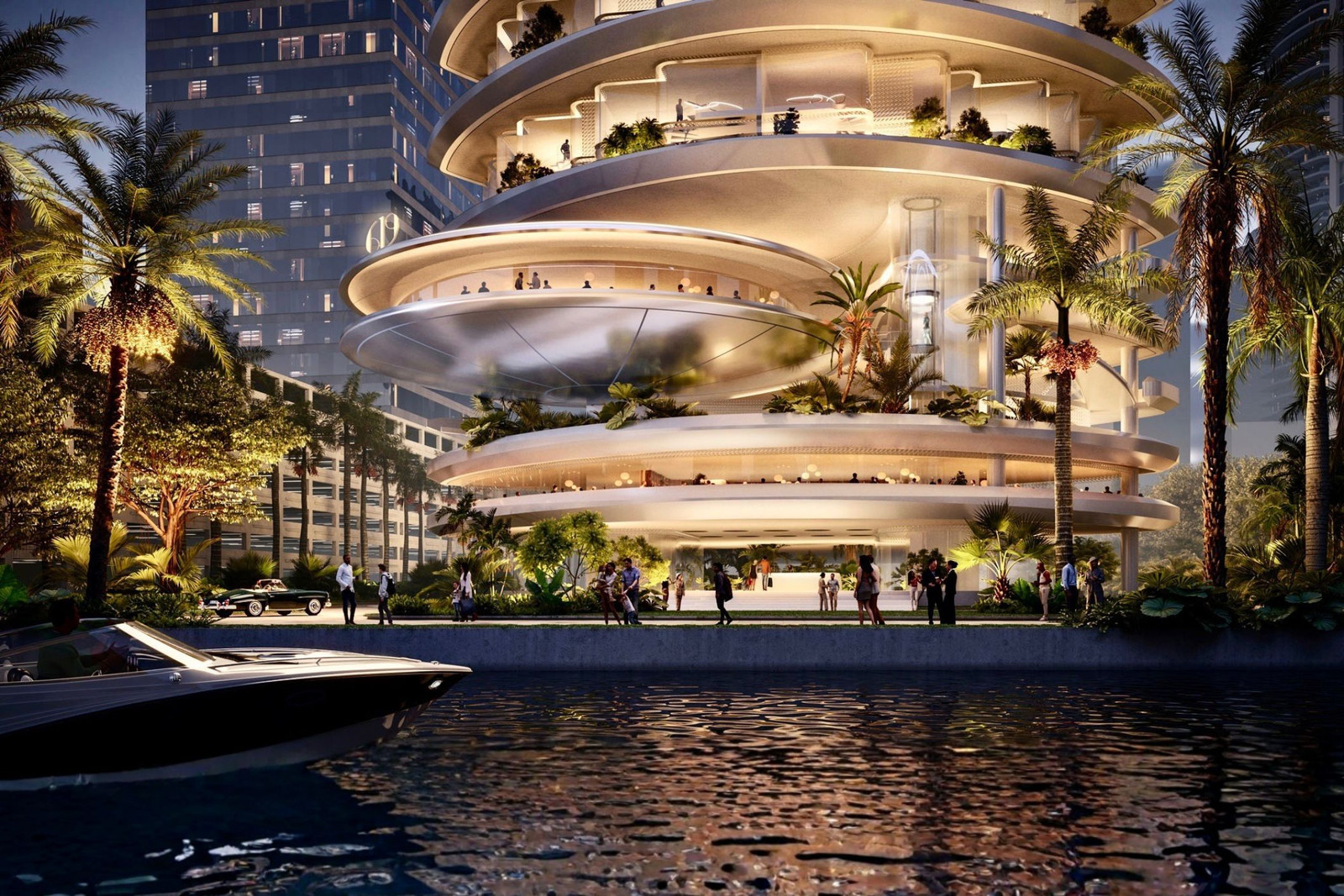
The scale of the planned project is substantial, matching the premium pricing of Miami’s high-end residential market. Plans outline a soaring 75-story skyscraper under the global Nobu brand. This high-profile development is designed to feature luxury residences, with prices spanning from approximately $3 million up to $60 million for the most exclusive units.
In addition to the luxury residences, the skyscraper is set to host a signature Nobu restaurant and a dedicated wellness center. This wellness facility plans to offer specialized amenities with a focus on biohacking and physical longevity. Here is a summary of the essential facts surrounding the proposed waterfront development:
- Total Transaction Value: $240 million land agreement
- Development Partners: 13th Floor Investments and Key International
- Building Height: 75 stories
- Expected Price Range: $3 million to $60 million per residence
- Retained Structure: The original 1896 First Miami Presbyterian Church sanctuary
- Proposed Features: Nobu-branded residences, signature restaurant, and a longevity-focused wellness center
Legal Hurdles for the Brickell Luxury Condo Tower
Despite the major financial backing, the Brickell luxury condo tower remains entangled in a complex administrative and legal battle. The core of the dispute involves the official historic designation of the property and the rights of neighboring property owners to participate in the planning process. Specifically, the Icon Brickell Tower 2 condo association has formally challenged how the city managed the historic designation process for the church grounds.
The association argues that those living in the immediate vicinity should have a meaningful opportunity to voice their concerns about a project of this magnitude. This legal challenge recently progressed to the Miami-Dade Circuit Court. A judicial panel ruled that the neighboring condo association does indeed have the legal standing to intervene, though the city of Miami has since filed an appeal against that decision.
Community Voices and Court Rulings
Local residents have clarified that their goal is not necessarily to stop all construction on the prime waterfront lot. Instead, representatives for the neighboring condominium owners express a desire to be active participants in the discussion. They emphasize that while some level of development is almost certainly going to happen on the property, the community deserves to have “a seat at the table” when determining how the site is ultimately transformed.
This ongoing legal tension highlights the delicate balance between modern urban density and historic preservation in South Florida. With the city appealing the circuit court’s ruling, the timeline for the development remains subject to judicial outcomes.
Market Context for Miami Real Estate Buyers
For buyers and investors tracking the South Florida luxury sector, situations like this underscore the complexity of waterfront development in prime urban neighborhoods. Brickell continues to attract premier global hospitality brands, such as Nobu, which seek to combine high-end residential living with signature dining and wellness concepts. However, purchasing pre-construction units in highly contested locations often requires careful monitoring of local zoning disputes and historic preservation laws.
While demand for premium branded residences in Miami remains a notable trend, buyers must navigate the reality that high-density projects in historic zones frequently face administrative delays and community feedback processes. Monitoring these regulatory steps is a critical part of evaluating any long-term real estate acquisition in the area.
Source: World Red Eye