
The long-awaited Coconut Grove playhouse redevelopment is officially moving forward following approval from Miami city commissioners. On July 13, 2026, city officials cleared Miami-Dade County’s plan to restore the historic theater site after two decades of intense local debate. The project aims to restore the century-old landmark while integrating modern community facilities and commercial spaces into the surrounding area.
For nearly 20 years, the iconic Coconut Grove Playhouse has remained closed as preservationists, local leaders, and community members discussed the best path toward balancing historic preservation with long-term financial viability. The newly approved $58.4 million redevelopment project establishes a clear direction for the property’s reconstruction.
Key Features of the Coconut Grove Playhouse Redevelopment Plan
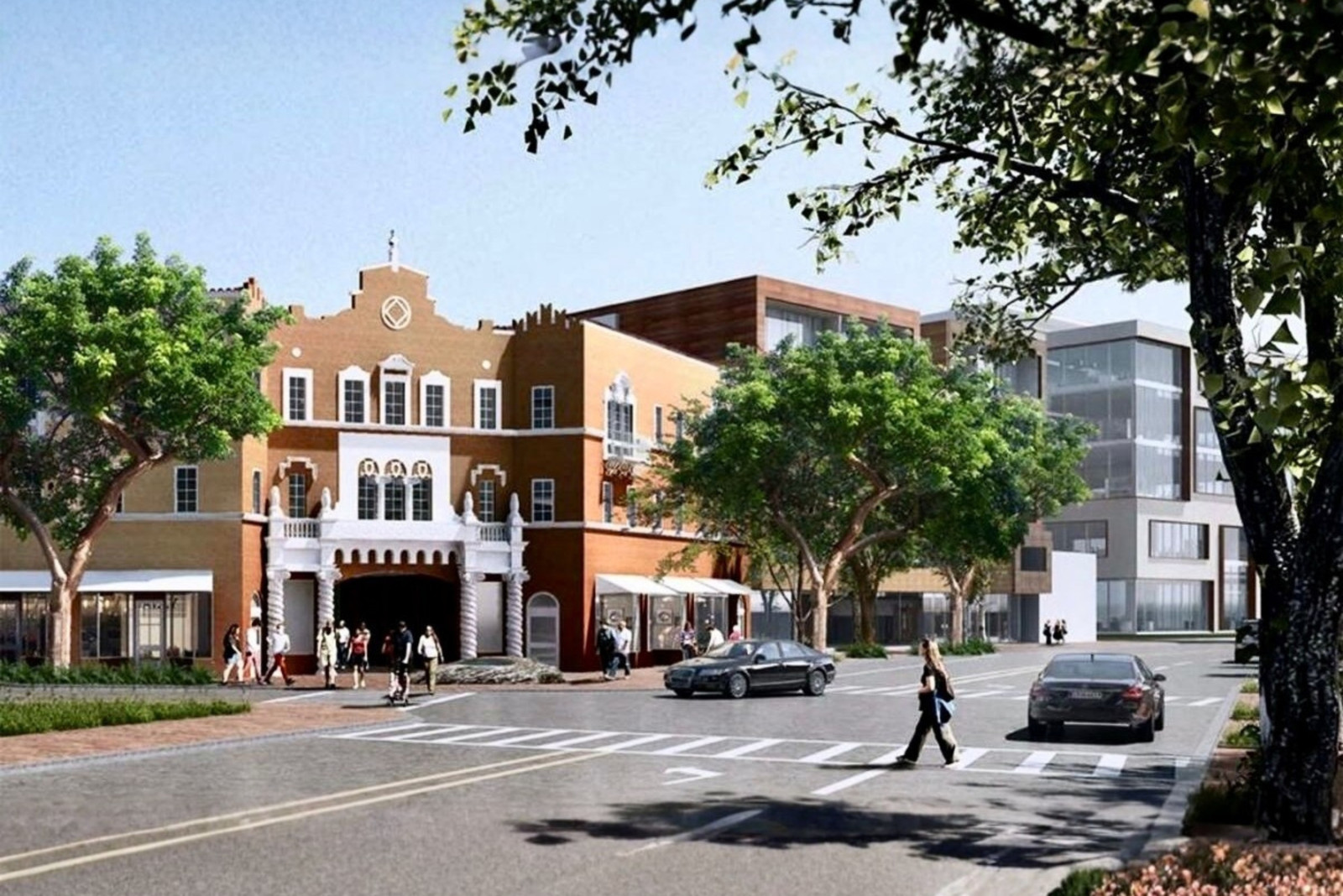
The approved $58.4 million proposal by Miami-Dade County blends historic conservation with brand-new public and commercial infrastructure. At the center of the design is the careful restoration of the theater’s original 1926 façade, ensuring the historic aesthetic of the structure is preserved.
Alongside the restored historic elements, the project encompasses several new construction components aimed at serving both cultural and civic functions:
- A newly constructed 310-seat performance venue
- Restoration of the historic 1926 façade
- Dedicated retail space and professional offices
- Educational spaces and an open-air public plaza
- A 289-space parking garage
Community Connections and Historic Preservation
Beyond the architectural restoration, the $58.4 million plan seeks to reconnect the iconic theater with the neighboring historically Black West Grove community. Throughout the two-decade debate over the property, finding a model that honored the site’s rich heritage while ensuring future financial sustainability was a central challenge for public leaders.
By incorporating educational space, an open-air plaza, and retail facilities, the approved Miami-Dade County plan aims to revitalize the historic asset while serving the immediate neighborhood and broader Miami public.
Market Context for Real Estate Buyers and Investors
From a Miami commercial real estate perspective, civic investment in neighborhood landmarks like the Coconut Grove playhouse redevelopment reflects broader efforts to modernize public assets while maintaining local character. The addition of office areas, retail venues, and a 289-space parking garage adds functional commercial capacity to the district. Investors and residential buyers closely follow public sector infrastructure projects in Coconut Grove to observe how civic restorations integrate with adjacent commercial corridors and residential areas.
Source: World Red Eye