
A proposed private helipad on the MacArthur Causeway is facing opposition from Miami Beach luxury condo residents concerned about potential helicopter noise. The controversy centers around billionaire Ken Griffin’s plans to expand his waterfront site along the causeway by adding a private landing area to his approved megayacht facility.
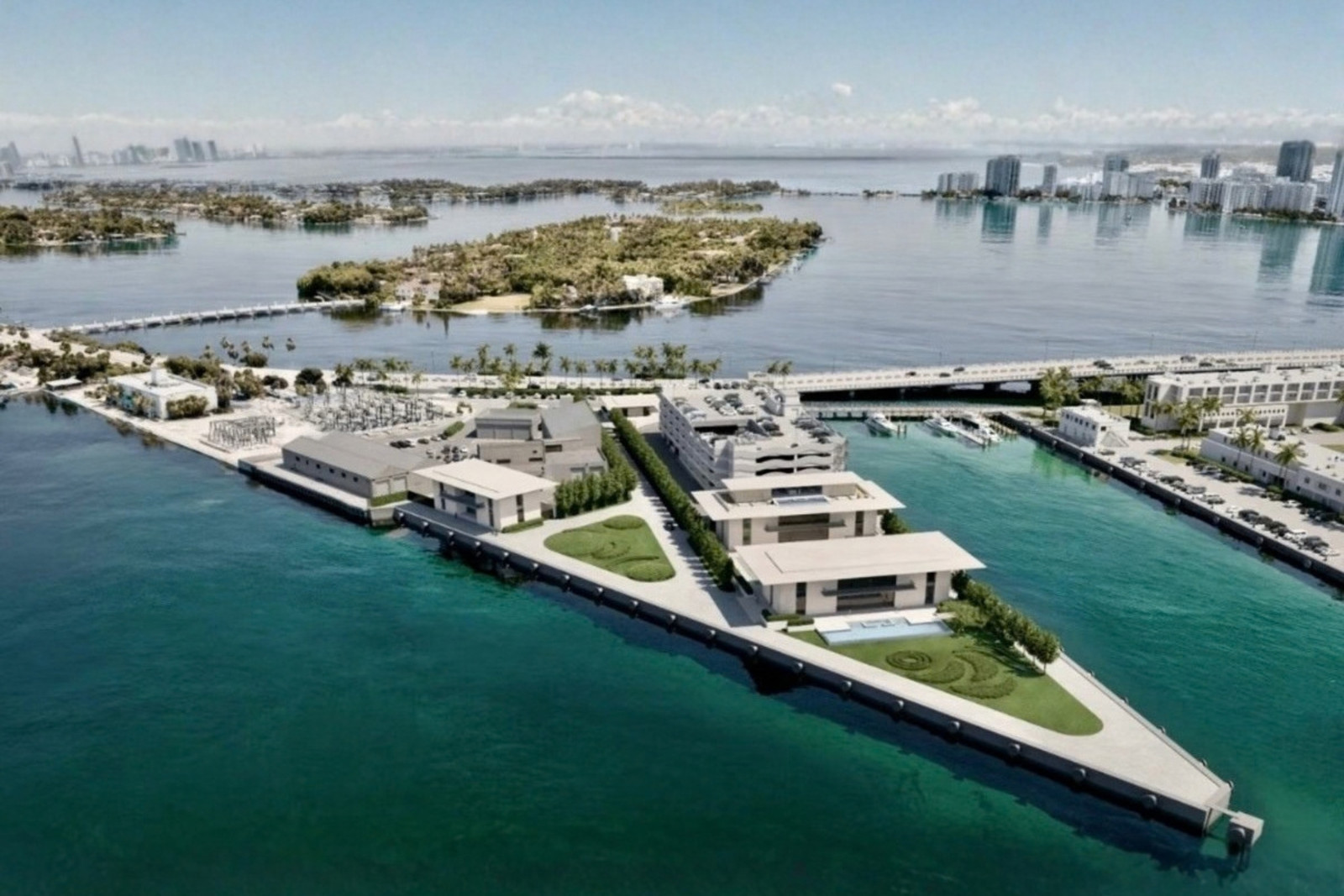
The site at 120 MacArthur Causeway spans 3.5 acres and is already designated for a megayacht marina built to dock Griffin’s 308-foot yacht, named Defy. However, adding an operational helipad requires a zoning change from municipal authorities, triggering active debate among nearby neighborhood groups.
Key Details of the MacArthur Causeway Helipad Proposal
- Location: 120 MacArthur Causeway, Miami Beach, FL
- Site Footprint: Approved 3.5-acre megayacht marina
- Docked Vessel: Griffin’s 308-foot megayacht, Defy
- Opposition: Leaders representing 8 nearby condominium buildings with roughly 2,000 residences
- Support: Residents from Palm Island, Hibiscus Island, and Star Island
- Government Body: Miami Beach Land Use and Sustainability Committee
Miami Beach Luxury Condo Leaders Unify Against Zoning Change
Opposition to the requested zoning modification has mounted significantly among nearby residential communities. Representatives leading eight neighboring condominium developments have formally requested that Miami Beach officials reject the requested zoning amendment. Together, these eight residential towers account for approximately 2,000 residences located close to the causeway site.
The main concern raised by these resident groups is the acoustic disruption created by private helicopter flights landing and taking off near high-density residential towers. Condominium representatives maintain that introducing aerial traffic to the marina footprint could diminish quality of life for neighboring residents.
Project Supporters Point to Acoustic Studies and Regional Investments
Despite pushback from surrounding tower leaders, the helipad plan has received support from other nearby communities. Residents living on Palm Island, Hibiscus Island, and Star Island have voiced backing for the project along the causeway.
Representatives for the project emphasize that technical studies conducted by experts concluded the helipad’s sound impact on the surrounding neighborhood would be negligible. Meanwhile, Griffin is continuing to expand his real estate presence across South Florida, which includes Citadel’s planned $2.5 billion headquarters project in Brickell.
The proposal is now headed before Miami Beach’s Land Use and Sustainability Committee, where municipal board members will evaluate arguments presented by both project representatives and opposing residents.
Market Context for Miami Beach Luxury Condo Buyers and Real Estate Investors
For buyers and investors evaluating high-end coastal properties, land use discussions along major transit corridors illustrate how municipal zoning decisions can affect surrounding residential areas. Infrastructure projects, transportation access, and noise regulations are key elements that shape long-term neighborhood character.
Monitoring public hearings before local bodies such as the Land Use and Sustainability Committee provides investors with clear insight into how local governments balance commercial developments with resident preferences. Understanding active zoning proposals remains an essential component of evaluating waterfront property opportunities across Miami Beach.
Source: World Red Eye